 Lather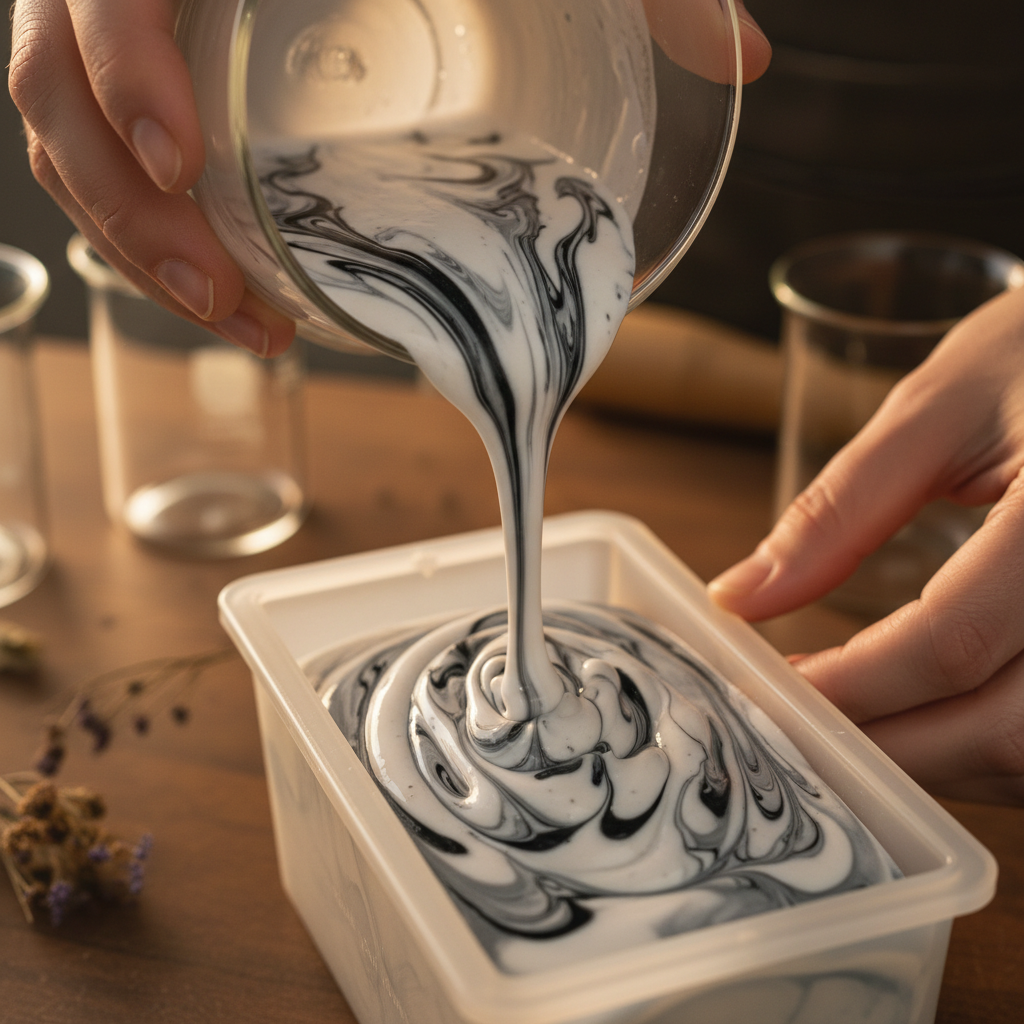
Kitchen-Counter Craft Studio
Every bar starts
with a question.
Cold-process soap for skin that deserves better than a barcode.
The Why
Your skin reads every label. It just can't tell you when something's wrong.
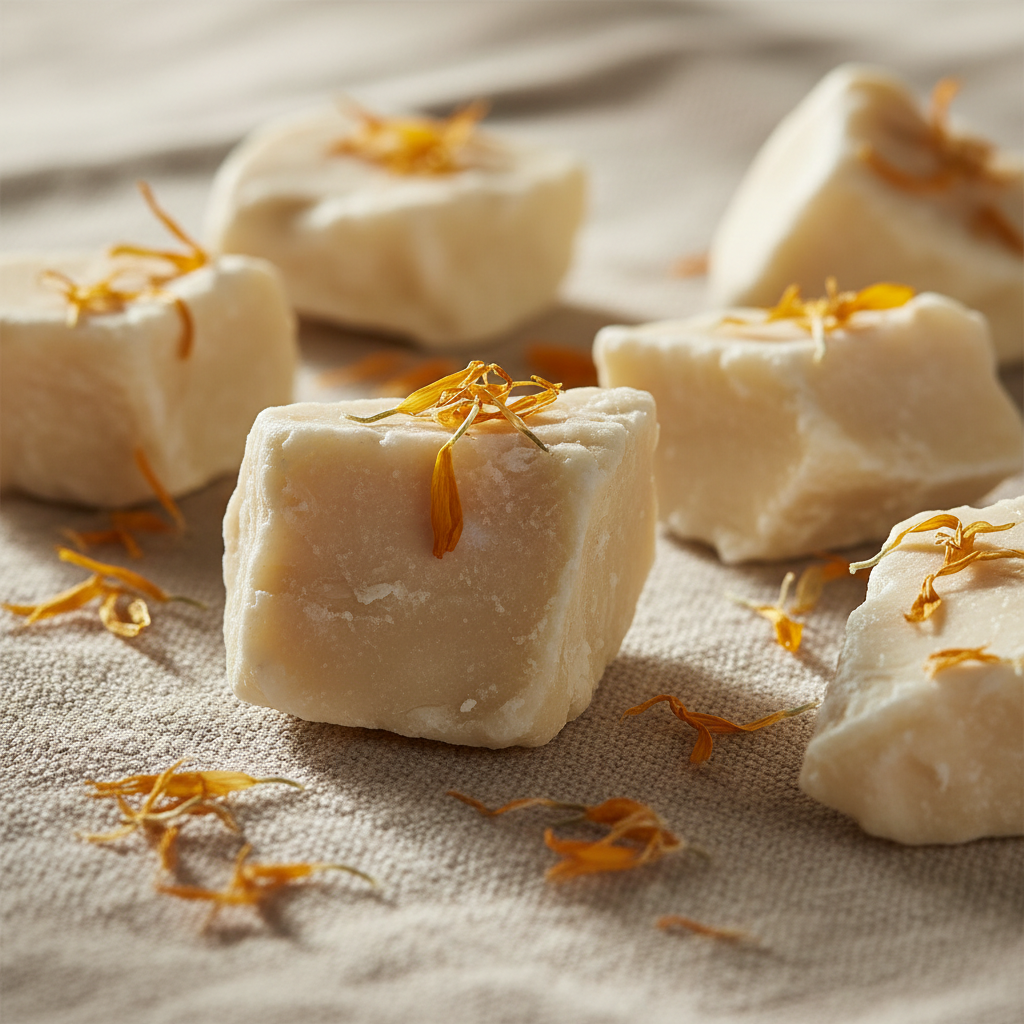
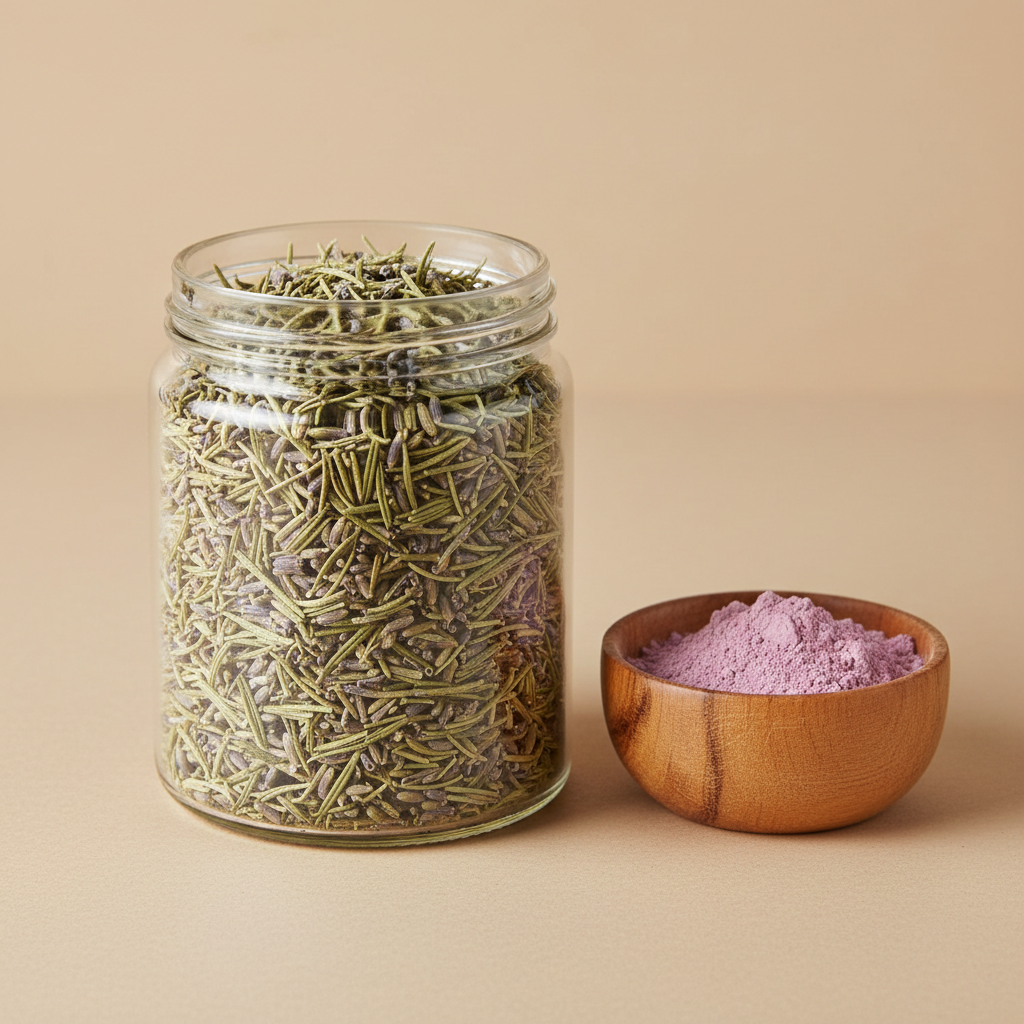
Shea butter. Coconut oil. Sodium hydroxide. Calendula petals. That's it — every ingredient on a Lather bar has a name you can say out loud, a job it actually does, and a reason it was chosen over the cheap alternative. Skin deserves that kind of honesty.
The How
Cold process is slow on purpose.
Lye meets oils at exactly the right temperature. They saponify — a chemical reaction that turns fats into soap and glycerin. The glycerin stays in every bar, which is why cold-process soap feels different the moment it touches your skin.
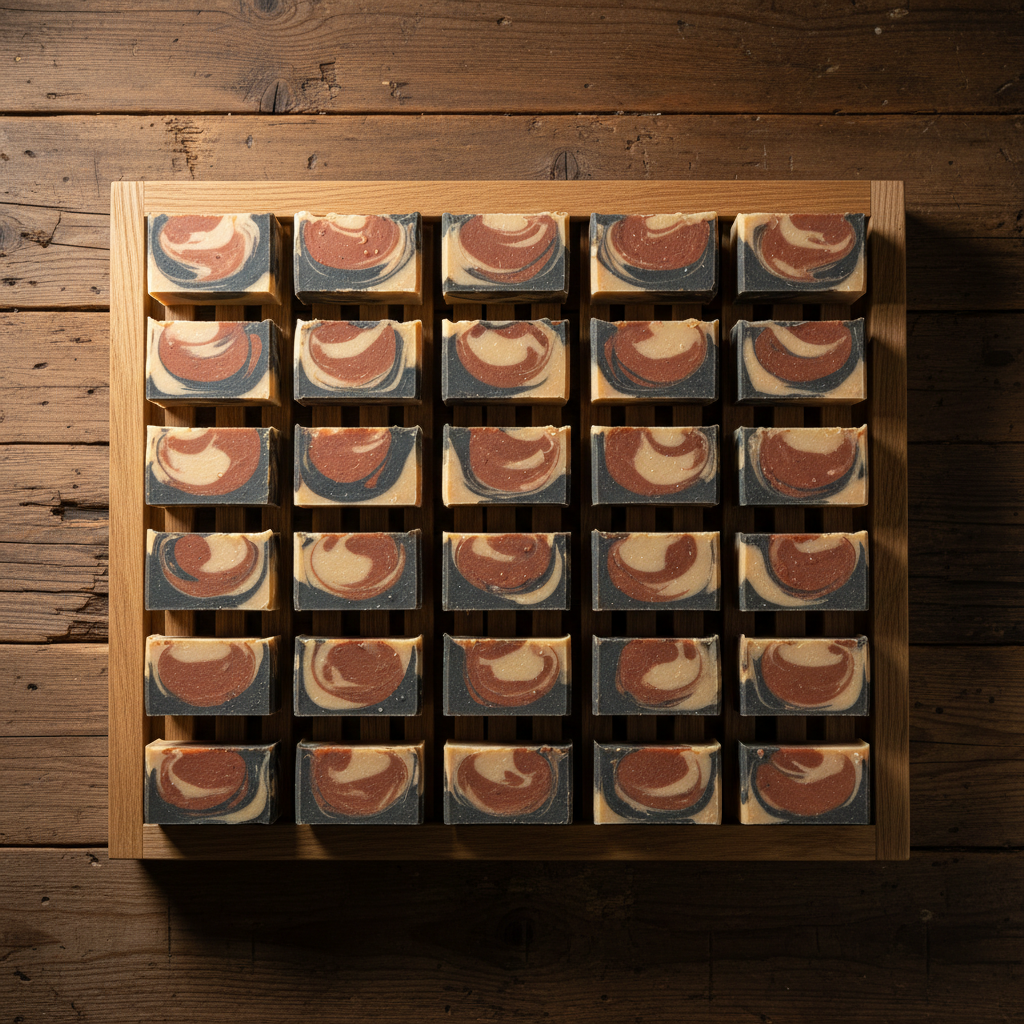
Then we wait four to six weeks. No shortcuts. The bars cure on open wooden racks in a cool corner of the studio, hardening and mildening until they're ready.
The Invitation
But every skin is different — and so is every recipe.
Oily skin needs different oils than dry skin. A bar for gifting should behave differently than one you make for yourself. A beginner working with lye for the first time needs a different formula than someone who's already made fifty pours.
That's why the quiz exists.
Studio Philosophy
Three things we'll never
compromise on.
No fragrance oils.
Only essential oils — steam-distilled, cold-pressed, properly benchmarked. If we can't source it responsibly, we leave it out and say so.
Five pounds at a time.
Small batches mean full attention. Every pour gets hands-on time from mix to mold. We don't scale what should stay small.
Lye is not the enemy.
Sodium hydroxide is a tool, not a toxin. Used correctly, it's fully consumed in saponification. What remains in your bar is pure soap and glycerin.
Common Ingredients
Recipe Finder
Five questions.
One recipe built for you.
No email required to see your result.
What's your skin like?
We'll build the oil blend around this.
@lather.studio
The tutorial lives
on the reel.
Every recipe card links to a matching reel. Follow the account and your recipe arrives in the right context — watching hands, not reading instructions.
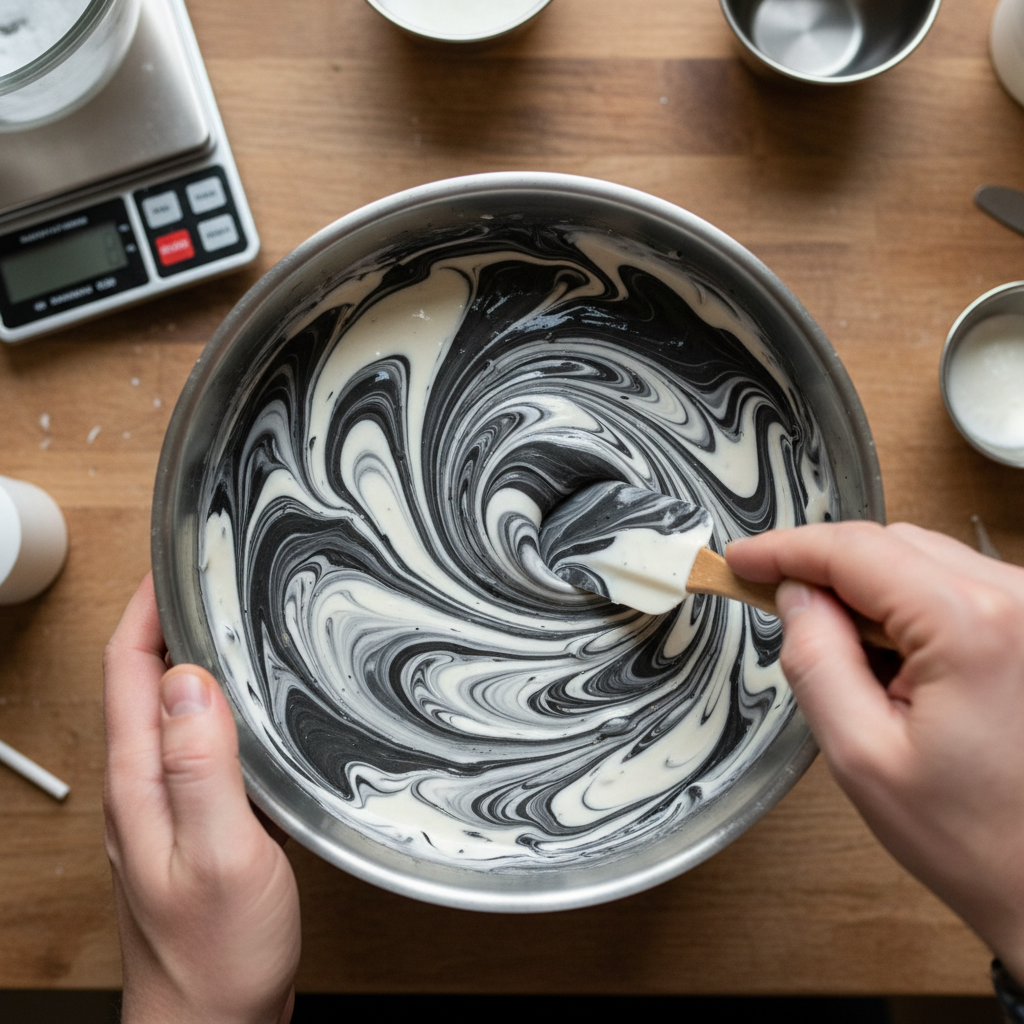
The Feather Pull
14.2k views
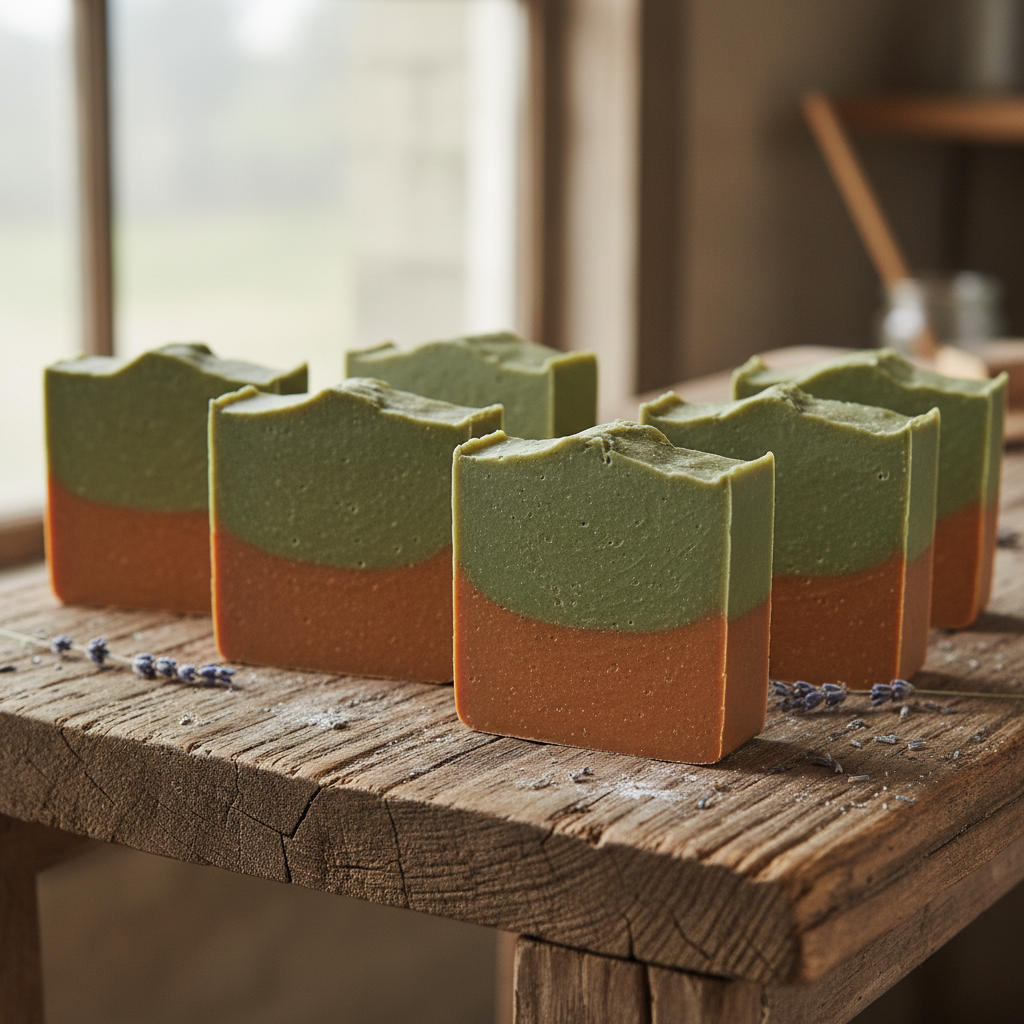
Unmold Day
9.8k views
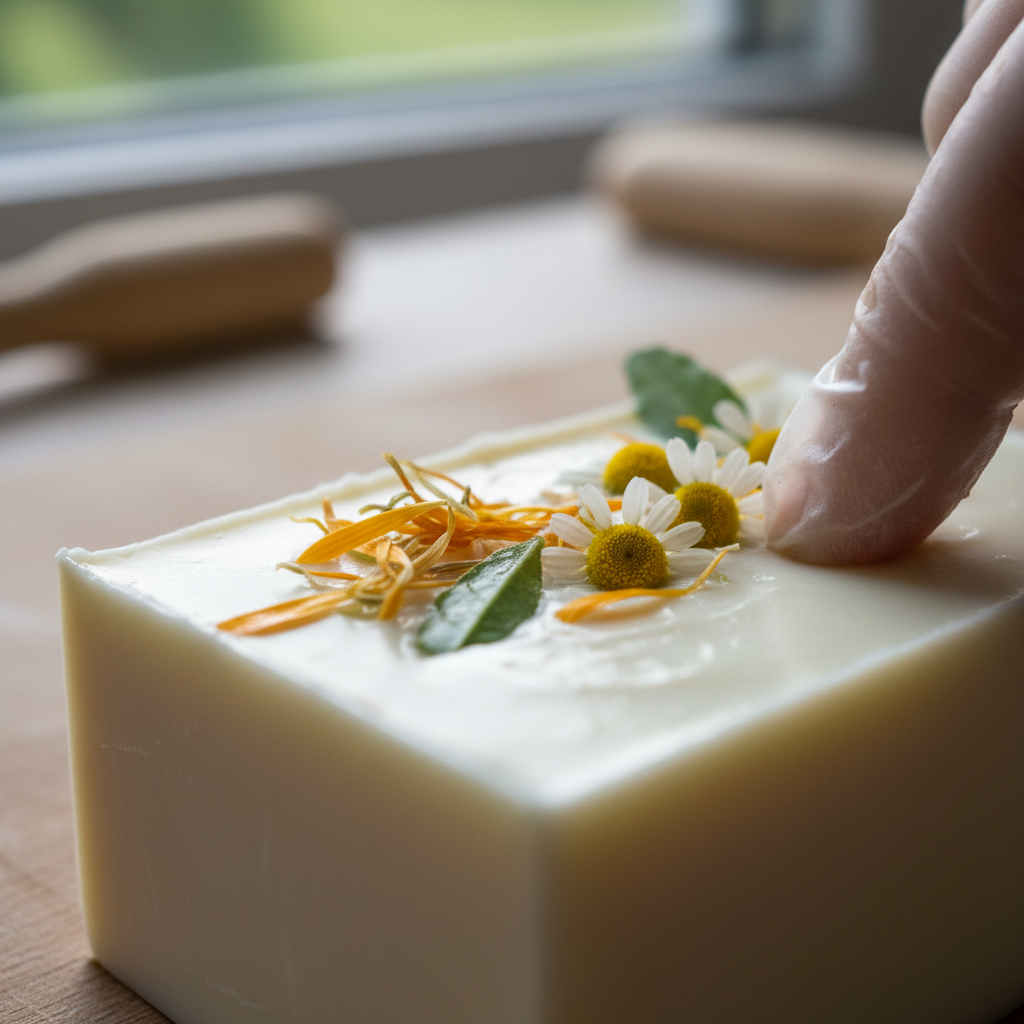
Embed Technique
22.1k views
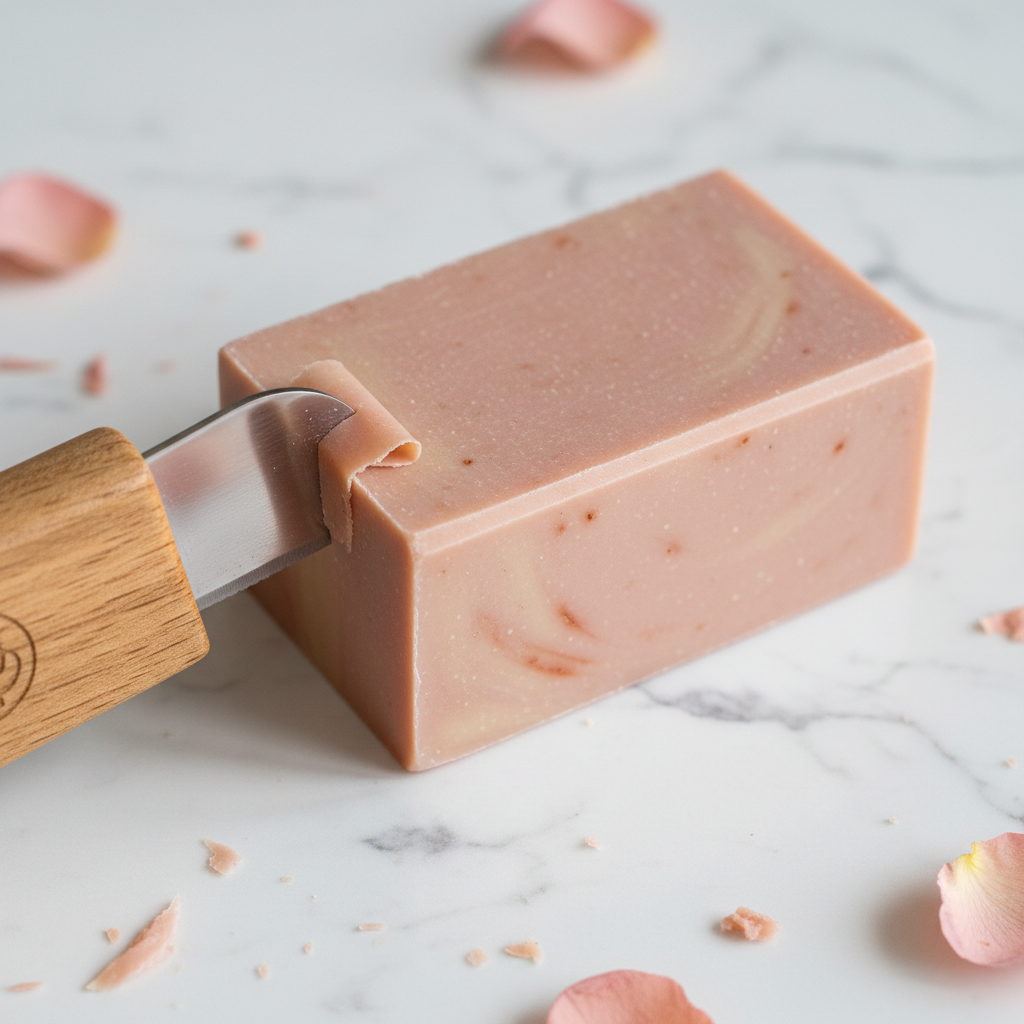
Rose Clay Bevel
7.6k views
12.4k
Followers
87
Reels
5-lb
Batch size
"The bar you make with your own hands
will always smell better than the one you bought."
— Lather Studio